Why PDCE Technology
Conventional lightning rods are designed to attract and conduct lightning to ground.
PDCE systems work differently: they act to reduce the formation of upward streamers
and lower the probability of lightning attachment in the protected zone.
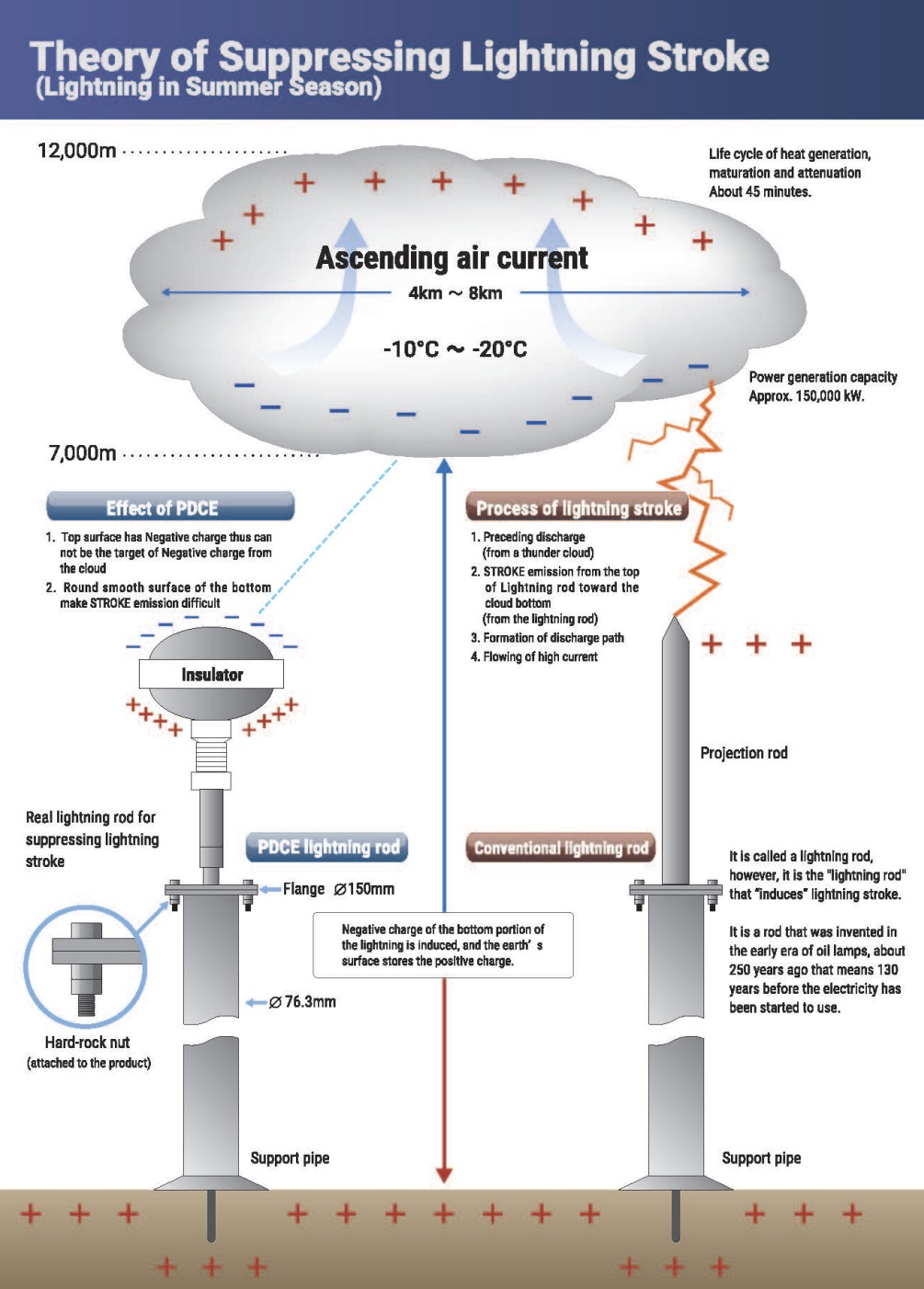
A direct lightning strike can destroy navigation, communication and automation electronics,
cause fire, and take a vessel or facility offline for weeks. By reducing the probability of
attachment, PDCE systems help lower technical risk and can support more favourable risk
assessments by insurers on high-value yachts and critical infrastructure.
PDCE devices are designed and manufactured in Japan by Rakurai-Yokusei Systems Co., Ltd.
They are installed on more than 4,000 structures worldwide, including ships, bridges,
hospitals, antenna towers and industrial facilities where downtime, fire risk and loss of
electronics are unacceptable. The technology has been evaluated within the framework of
international lightning protection standards (IEC / JIS) and subject to independent testing
by recognised institutions in Japan.
Applications
- Marine vessels and yachts
- Harbor and port facilities
- Offshore platforms
- Antenna towers and telecom sites
- Hospitals and critical infrastructure
- Industrial plants, refineries and logistics hubs
Marine and Yacht Applications
On yachts and commercial vessels, PDCE lightning avoidance systems are typically installed
at or near the top of the mast or superstructure. The objective is to reduce the probability
of direct lightning attachment from the outset, protecting navigation, communication and
power electronics that are costly and time-consuming to replace.
MBS supports PDCE projects for private yachts, workboats and commercial ships, including
feasibility checks, model selection and coordination with shipyards and rigging teams.
Installation Examples
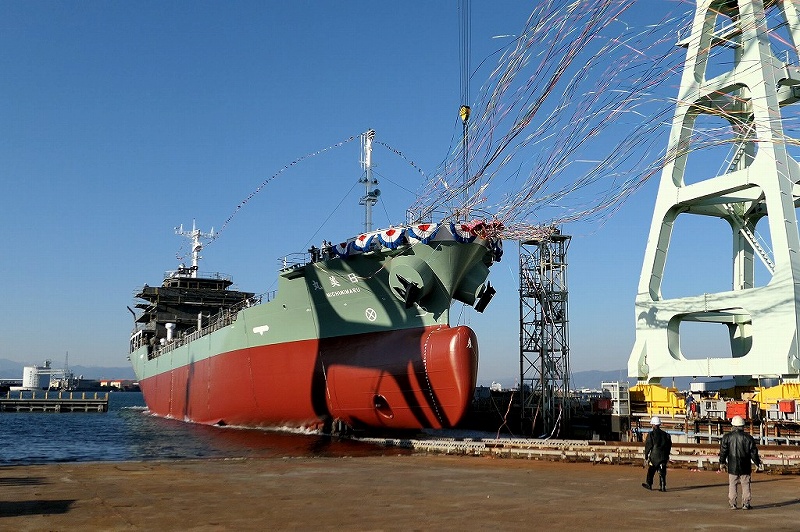
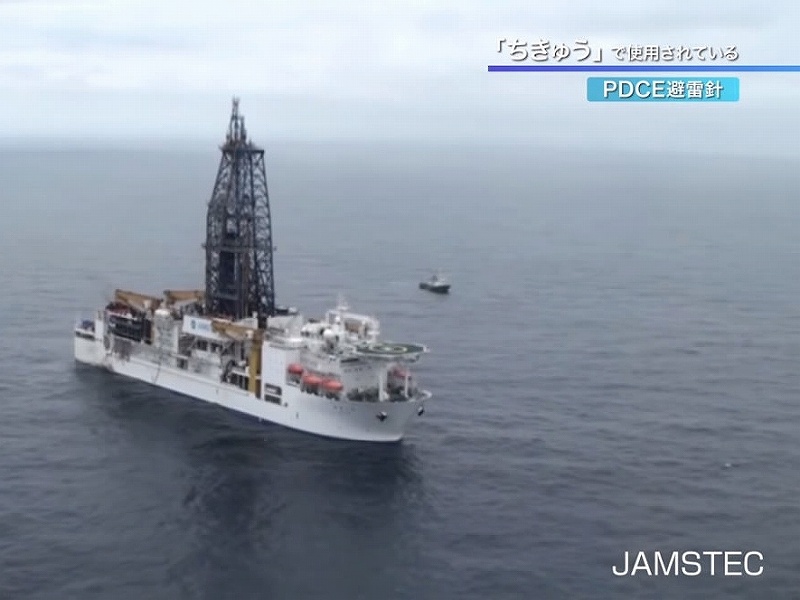
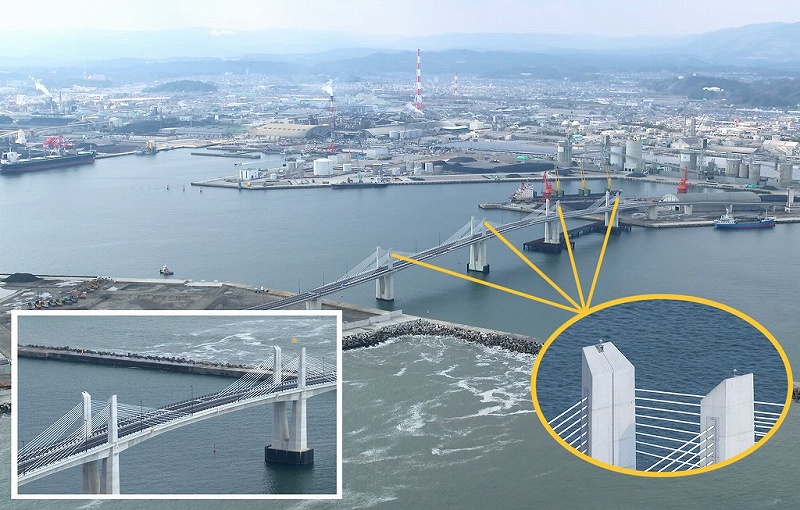
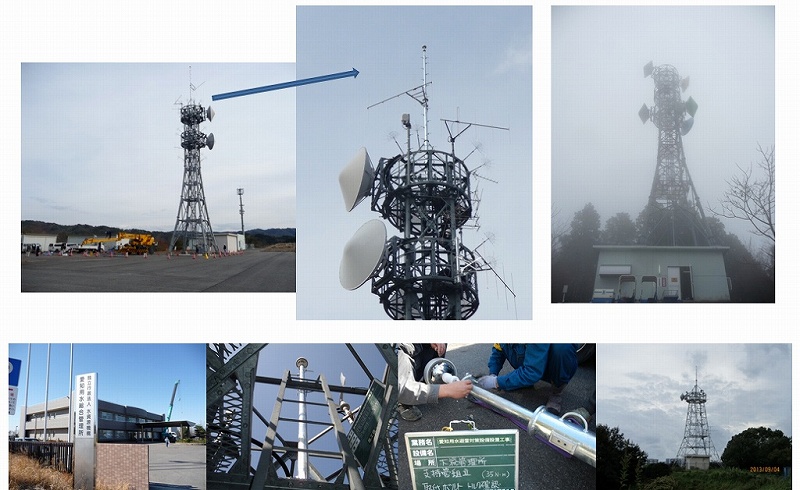
PDCE systems are installed on masts, towers and structures worldwide. Below are a
few examples; additional reference installations are available in the gallery.
For more examples across marine, transport, energy and infrastructure projects,
see the dedicated PDCE installations gallery.
View PDCE Installations Gallery
Model Range
PDCE devices are available in several sizes for land-based and marine environments.
Selection is based on the protection radius, structure height and risk level of
the installation.
| Model |
Type |
Typical Applications |
| PDCE-Baby |
Land |
Small buildings, local facilities, individual structures and rooftop equipment. |
| PDCE-Junior |
Land |
Commercial buildings, hospitals, warehouses, medium-size plants and depots. |
| PDCE-Magnum |
Land |
Large industrial sites, tank farms, high towers and extended infrastructure. |
| PDCE-Baby-Marine |
Marine |
Small vessels, pilot boats, coastal craft and private yachts. |
| PDCE-Junior-Marine |
Marine |
Workboats, ferries, patrol craft and harbor service vessels. |
| PDCE-Magnum-Marine |
Marine |
Offshore support vessels, large ships and platforms requiring extended coverage. |
| PDCE-HT300 |
High-temperature |
Chimneys and exhaust stacks with gas temperatures up to 300 °C, such as waste-to-energy, industrial boilers and power plant outlets. |
| PDCE-HT500 |
High-temperature |
High-temperature chimneys and exhaust outlets up to 500 °C, including incineration plants and other severe-process stacks. |
Download Product Catalog (PDF)
Additional Variants & Accessories
Additional PDCE variants are available for specific environments, including EV-focused
models and Super 316L versions for flat mounting and aggressive gas atmospheres.
An optional lightning surge counter can also be supplied for strike logging and
inspection records. Please contact us for applications beyond the standard range.
About PDCE and MBS
PDCE lightning avoidance devices are designed and manufactured in Japan by
Rakurai-Yokusei Systems Co., Ltd. MBS Business Solutions is an authorised
partner for markets outside Japan, focusing on marine, offshore and
critical-infrastructure projects. We provide application engineering,
model selection and project support in English.
Technical Inquiries
For installation guidance, risk assessment, model selection or commercial
discussions, please contact us directly. We support projects from concept
through installation and commissioning.
Contact Us
 Request Technical Information